

#19: I Bought 37% Less This Year and Like My Closet More
I'm being brutally honest sharing my Wardrobe Wrapped- all the numbers behind what I bought, how much I spent, what I sold, and how I re-invested in making my closet a happier place in 2025.


It is that season of reflection and in the spirit of honesty and positivity, I am pretty proud of myself. In 2024 I had bought 51 items from 31 different brands, and only 33% of that was secondhand. It wasn’t out of control, but it was scattered.
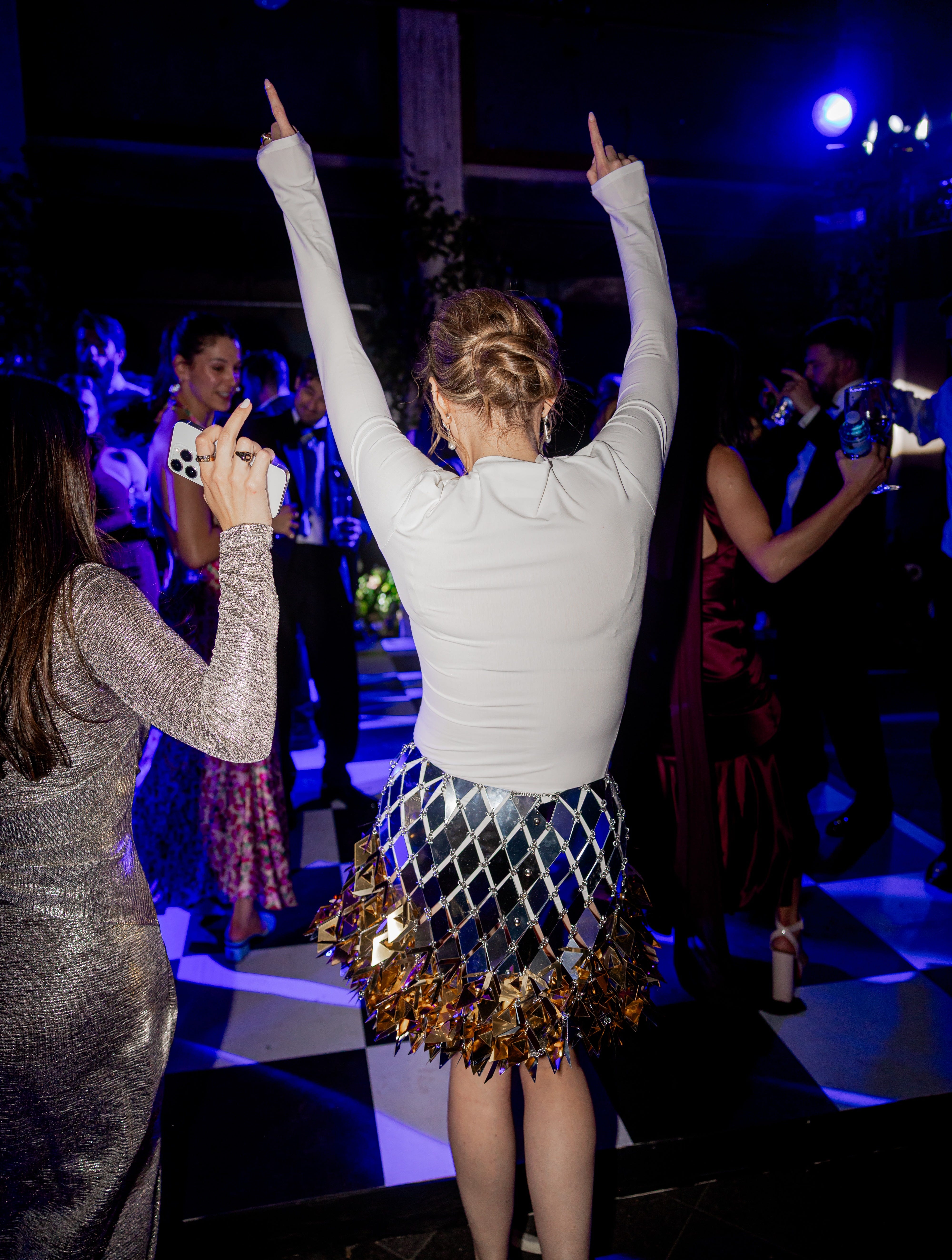
At the start of 2025 I was coming off my wedding (1 year anniversary next week <3) and had been on a pretty spend-y tear. I was staring at a closet full of pieces that had served very specific purposes—the rehearsal dress, a backup rehearsal dress, a Paco Rabanne skirt I’d probably only wear on New Years, vacation outfits. It felt like my wardrobe belonged to someone preparing for a life event, not me living my actual life. Also by February I was back to running my business full-time, funneling almost everything back into growing this business. Shopping couldn’t be recreational anymore. Something had to go out to go in and every purchase had to earn its place.
So in 2025 I set a few loose rules - buy less, buy better, get rid of the things that don’t serve me.
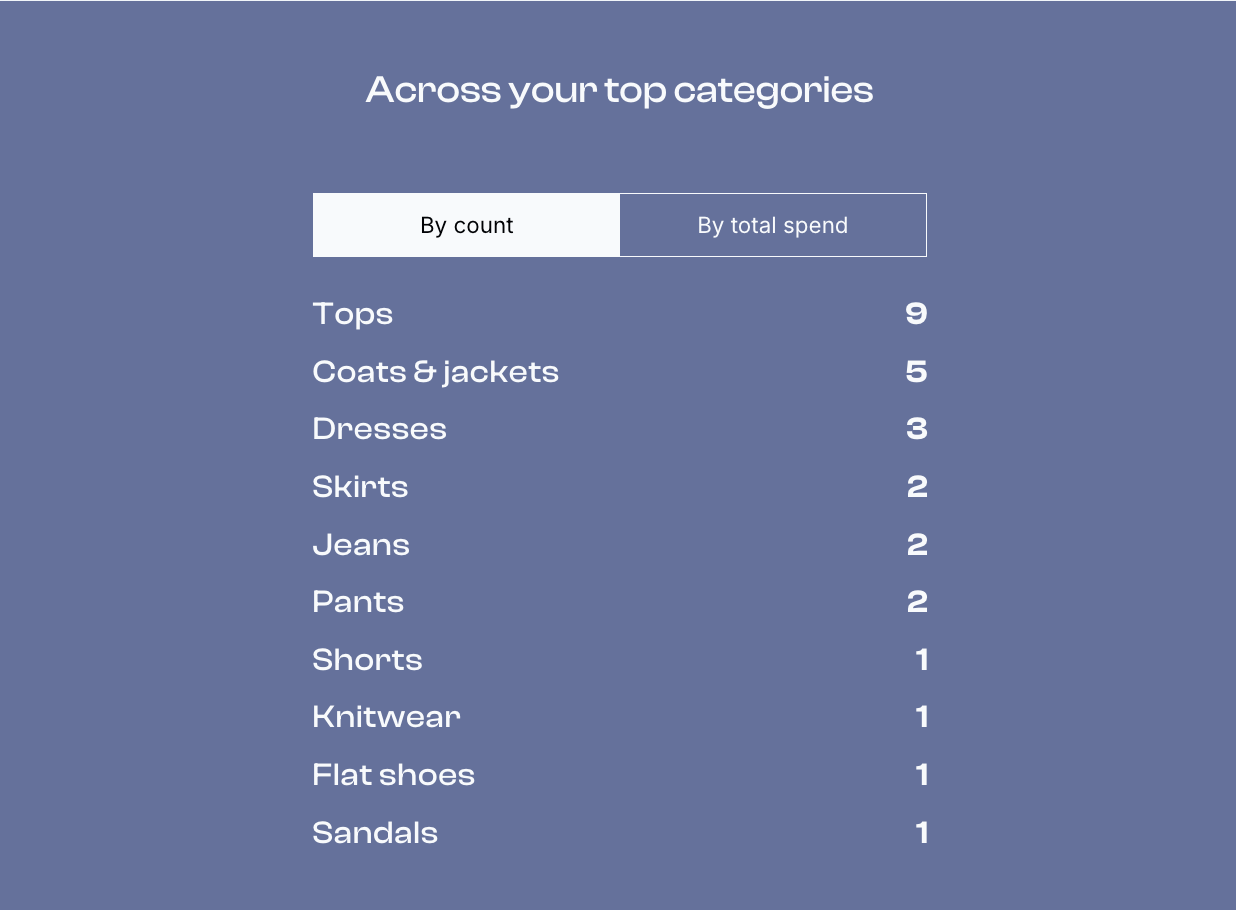
I dedicated myself to buy more secondhand (typically my favorite purchases, likely because they are made with hunting and intention). Focus on tops that are not button downs, which I never have enough of (pants and coats and gowns are just a lot more fun to buy). And try to keep my closet roughly the same size by selling as I go. Not a no-buy, not a capsule wardrobe, nothing that punishing. Just... discernment.
This year looked different.

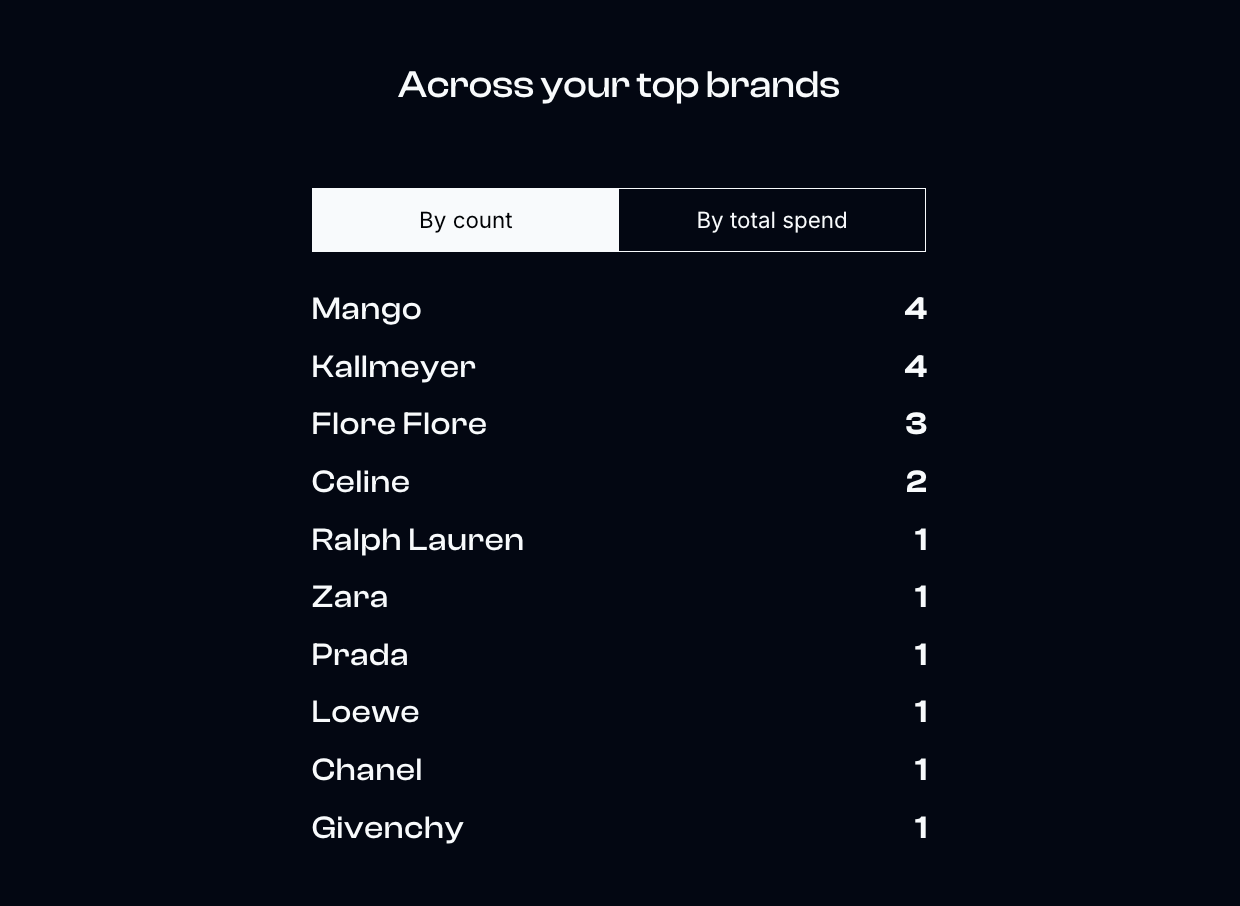
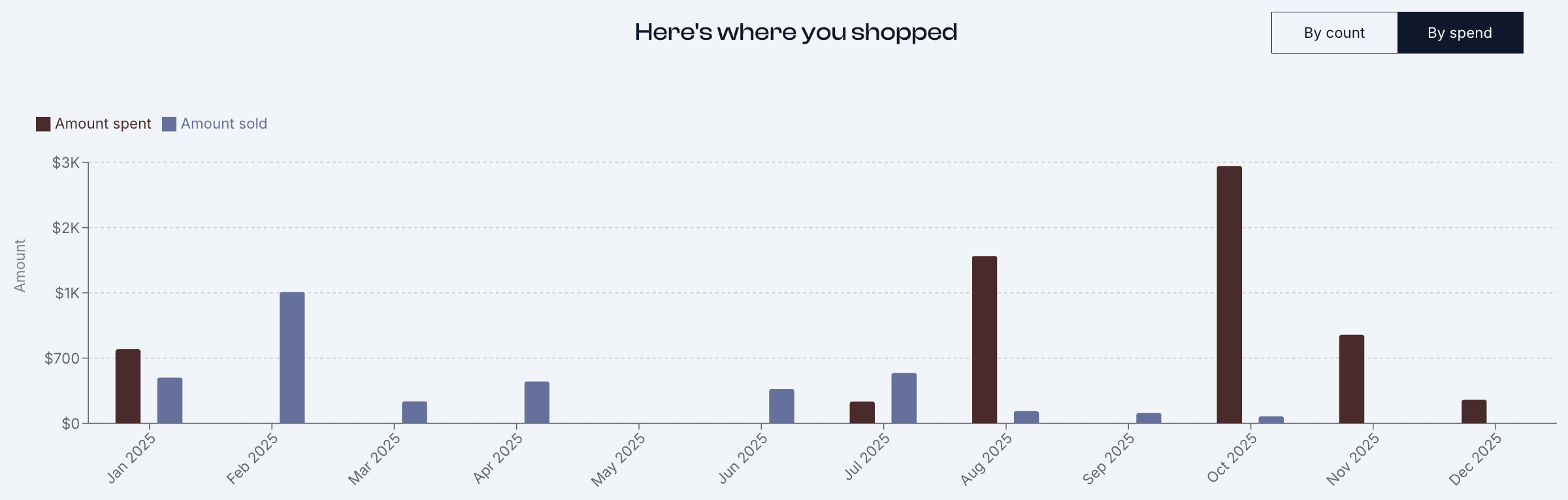
32 items. 18 brands. $6K spent (because I am being very honest with you). And because I sold 26 (!!!) pieces on Future Reference for about $4K, my net investment for the year came out to around $2K (see, pretty good). That’s what it actually cost me to evolve my wardrobe—not maintain it, but genuinely change it. New brands, new silhouettes, gaps filled.
62% of what I bought was secondhand, up from 33% last year. Nine of my purchases were tops. Both goals met.
I don’t think the answer is buying less for the sake of buying less. But buying with more consideration meant I ended up with fewer things anyway. Funny how that works.
For your reference, Future Reference tracks all of this automatically by linking with my email, which is how I know the exact number without having to dig through receipts like a detective. If you want to try it too, there’s more info at the end of this.
What I bought
I’m not going to list all 32 items with cost-per-wear calculations because honestly I don’t trust myself to estimate that accurately. But I can tell you what’s earning its keep and what I’m still not sure about.
(Full disclosure: I’m a co-founder of Future Reference, the resale platform I use to track and sell. So yes, I have access to my own data. But also—so do you.)
The clear wins:
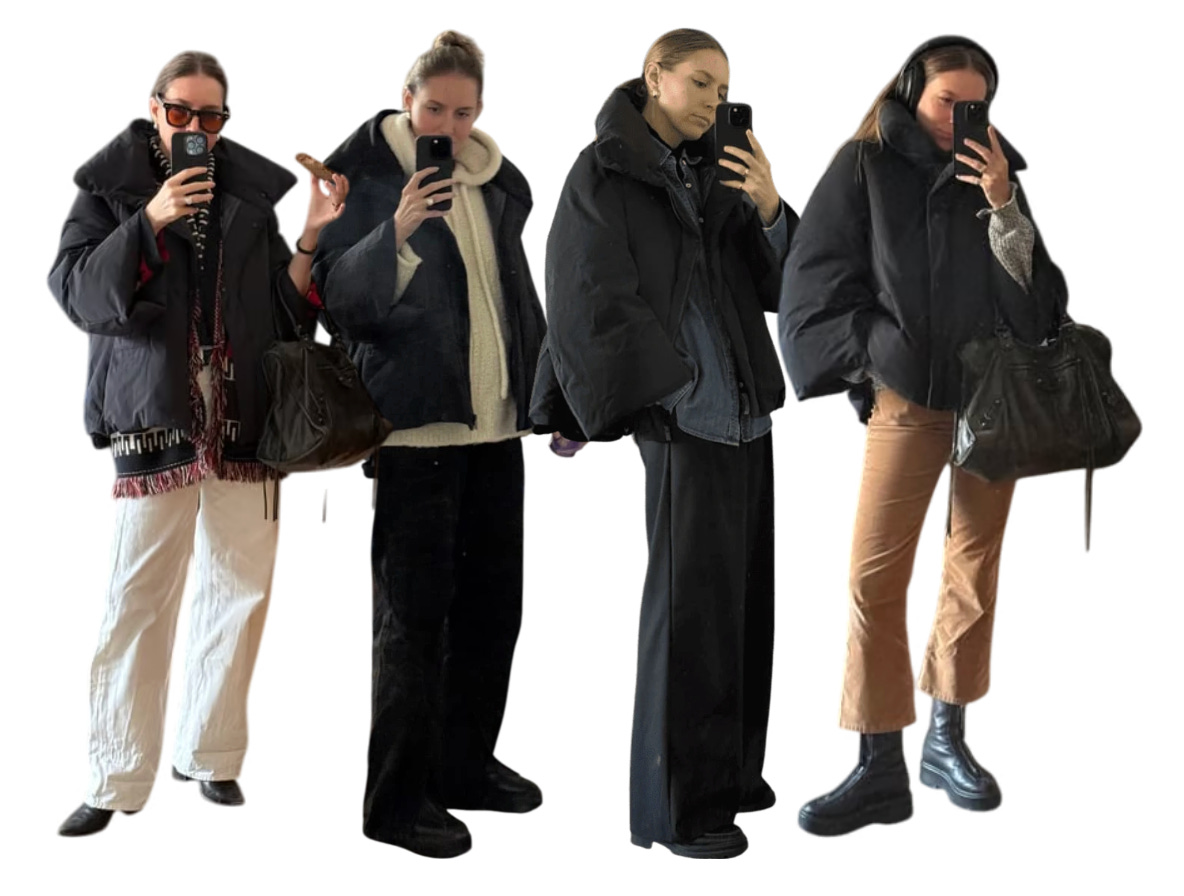
My most-worn piece of the year cost is my Uniqlo x Jil Sander Hybrid Down Jacket purchased on Ebay—black, simple but unique silhouette, warm without being too bulky. I bought it at the end of winter season, so since February it has sat in my closet but I’ve worn it probably 50 times since October. It goes with everything. Runner up are my Row Zipped Leather Boots - technically bought in 2024 and still worth every penny.
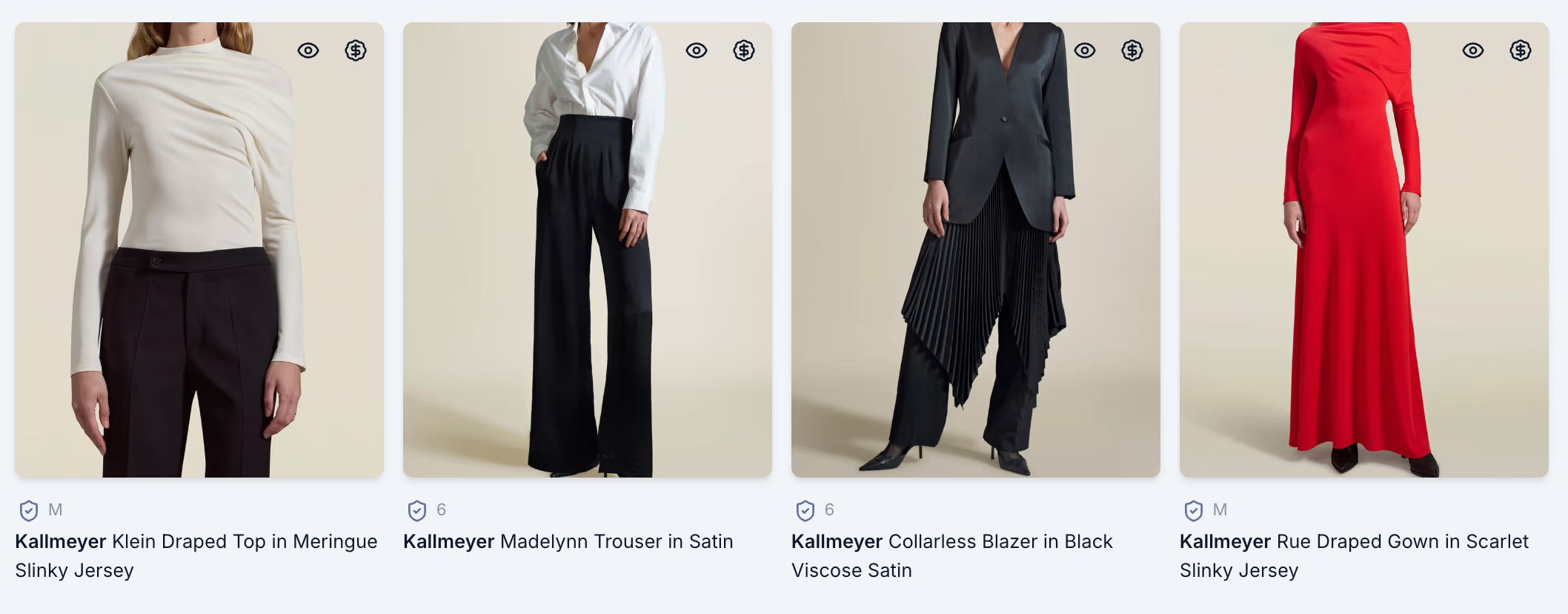
I found two new brands this year that I’ve really enjoyed: Kallmeyer and Flore Flore (shoutout Angela Galvez for the Closet Confessional rec). The Kallmeyer pieces especially—the Madelynn Trouser (one in sage secondhand), the Collarless Blazer (similar style on TRR)—fit like they were made for my body without tailoring, which almost never happens. Emerging designers with actual point of view, and Kallmeyer has a physical store where the staff is incredibly welcoming. This is why I shop secondhand for the big names and buy new from smaller brands when I can.

This Givenchy Silk Top and a Loewe blouse were my top-of-the-budget wins. Both secondhand. Both filled the exact gap I’d identified (tops, elevated, versatile). Both get compliments every time.
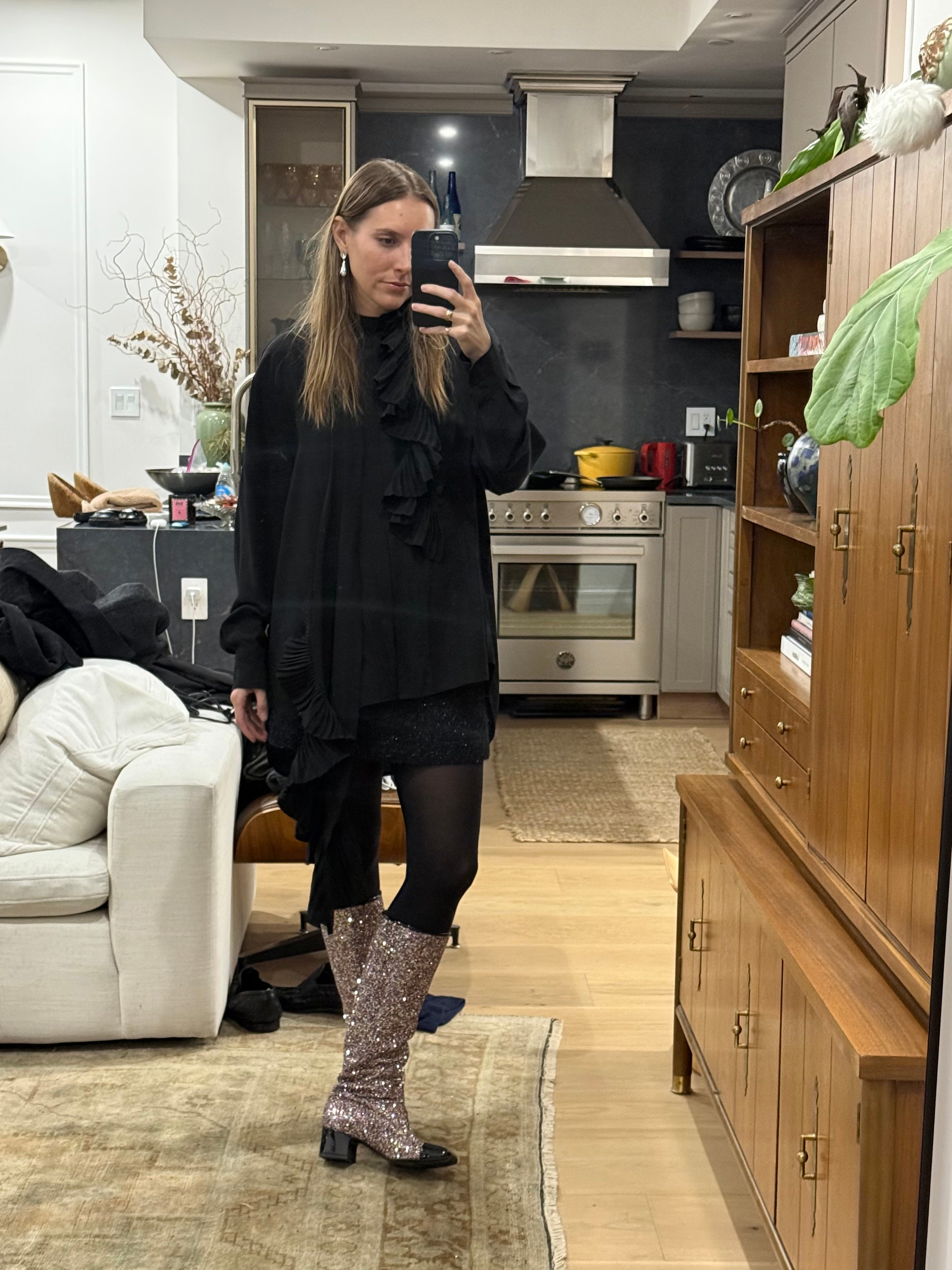
And then there’s the Celine Phoebe-era suede mules I found on Poshmark (another pair if you’re an 8)—there’s a specific thrill in hunting down a piece from a particular designer’s tenure at a house. You can’t just walk into a store and buy that. You have to wait and watch, and then send a bunch of low-ball offers when your plane is delayed to get lucky.
The question marks:
Some of my purchases weren’t filling gaps. They were filling a cart. There’s a Kitri dress and an Altuzarra top that I bought on The RealReal because they were cheap and pretty and I was already checking out. Classic add-on behavior. They’ve been worn once, maybe twice. The jury’s still out.
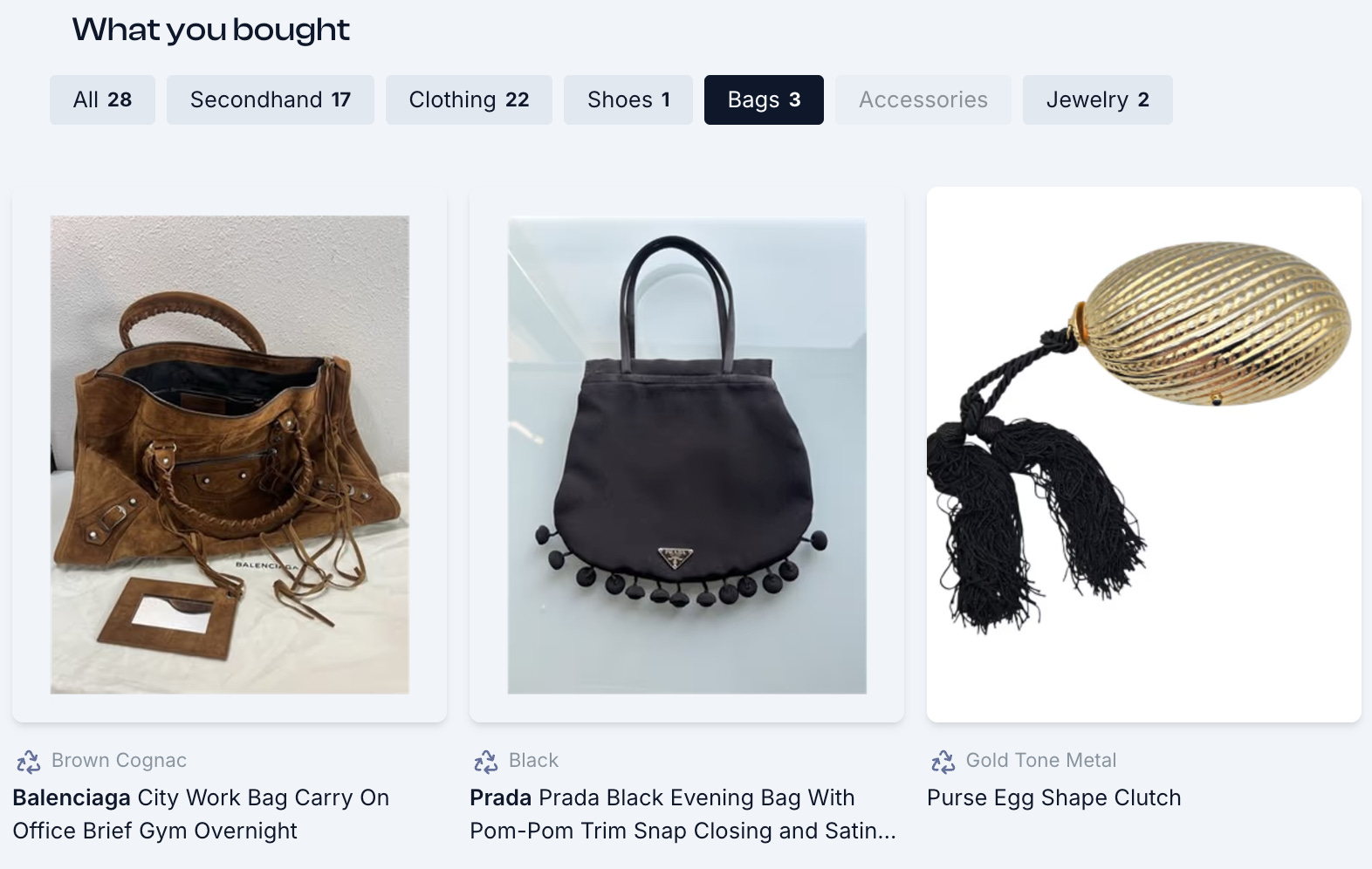
And then there are the joy purchases. A Kallmeyer Rue Draped Gown in scarlet red. A gold egg-shaped clutch. The Dries Van Noten skirt I wore to my brother’s rehearsal dinner. These aren’t everyday pieces. They’re not even every-month pieces. I bought them because they made me feel something—a little thrill when I opened my closet. I don’t know yet if that’s enough to justify keeping them long-term but I did get a lot of joy this holiday season. Maybe staying power isn’t only about frequency but instead some pieces earn their place just by making you happy when you look at them. (I’m testing that theory.)
What went a little sideways:
I was disciplined through the spring and summer - post-wedding budget hangover, every dollar going into the business, genuinely not shopping much. Then some consulting income came in around September and I... let’s say I celebrated. October was a spike. Not a disaster, but definitely a “treat yourself” spiral that produced a few things I’m less certain about.
The lesson there isn’t “don’t spend money when you have it.” It’s more like: the rules matter most when you can afford to break them.
What I sold
26 items (!!!) left my closet this year via Future Reference. About $4K back to re-invest in my closet.
Some highlights from the sold pile: a Khaite Draitton Skirt I’d loved in photos but never reached for in practice. A Toteme coat that was beautiful and just... not me. Isabel Marant pieces from an earlier style chapter. A Bottega Veneta Nodini I’d simply moved on from.
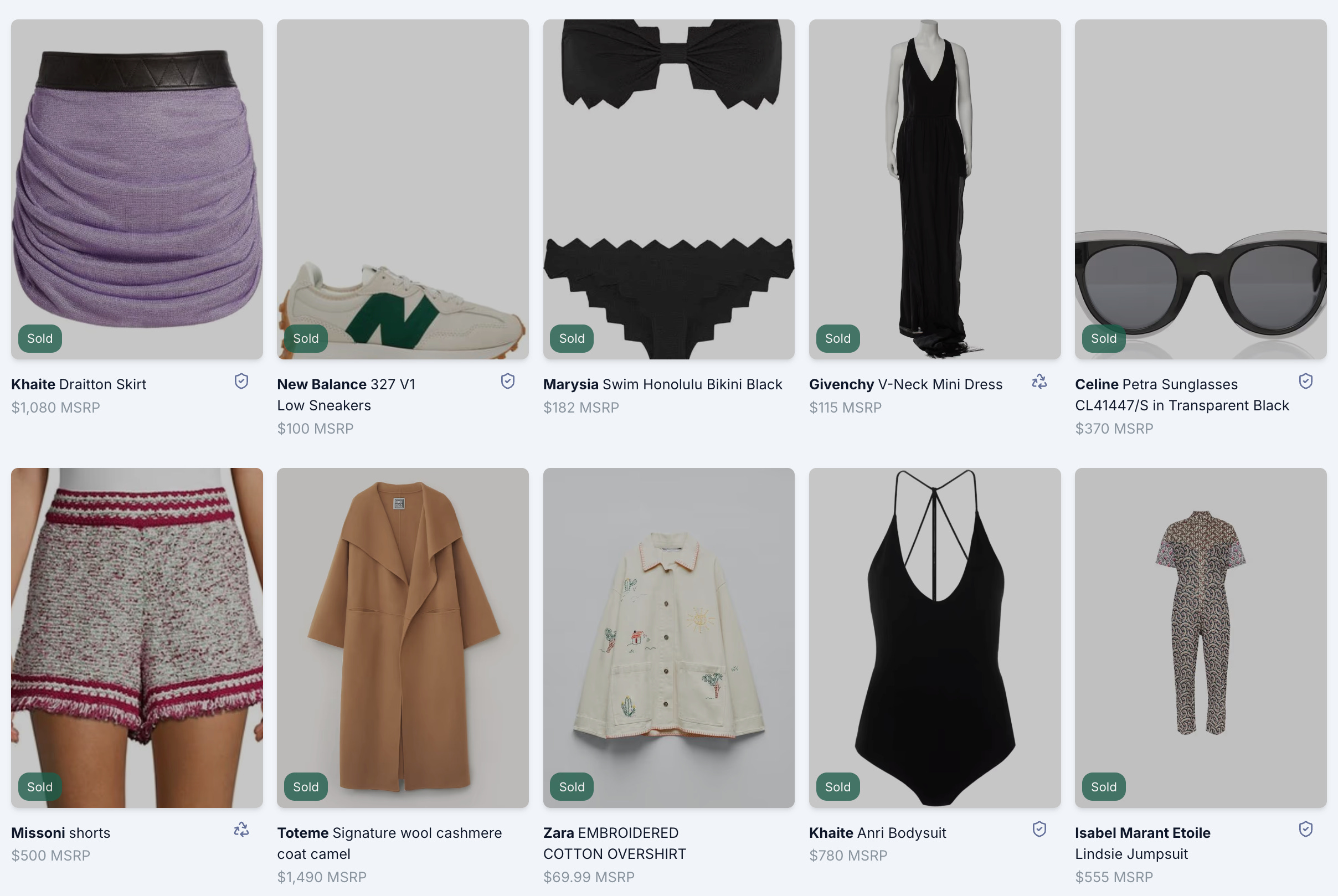
Selling forces a certain honesty. You have to describe why someone else should want a piece, which makes you confront why you don’t. Sometimes the answer is fit, sometimes it’s lifestyle change, sometimes it’s just that your taste evolved. None of that is failure.
Several of the pieces I sold had lives before me. They’ll have lives after. I think that’s really fun to be a part of.
What I’m taking into next year
The circulation model works for me, and I hope it may work for you too. Not minimalism, not deprivation—just paying attention to what comes in and what goes out. My closet is roughly the same size it was in January, but it feels more mine.
Secondhand isn’t a compromise. It’s how I access quality I couldn’t otherwise afford. Phoebe Philo-era Celine on a founder’s salary only happens this way.
And the metric I keep coming back to isn’t cost-per-wear or even “staying power” exactly. It’s more like: will this still be bringing me joy in a year? Not because I forgot to sell it, but because I keep choosing it.
I bought 37% fewer pieces than last year. Spent half as much. Doubled my secondhand percentage. And I like my closet more than I did twelve months ago.
See your own numbers
Everything I just shared—the year-over-year comparison, the category breakdowns, the buy/sell circulation—comes from my Wardrobe Stats, a feature on Future Reference. If you’ve been buying or selling on the platform, your stats are waiting for you. And if you haven’t, this is your sign to start tracking. Link your email receipts, of log your purchases via one of our many options, and next December you can write your own version of this post (or at least boast to your friends about your secondhand percentage).
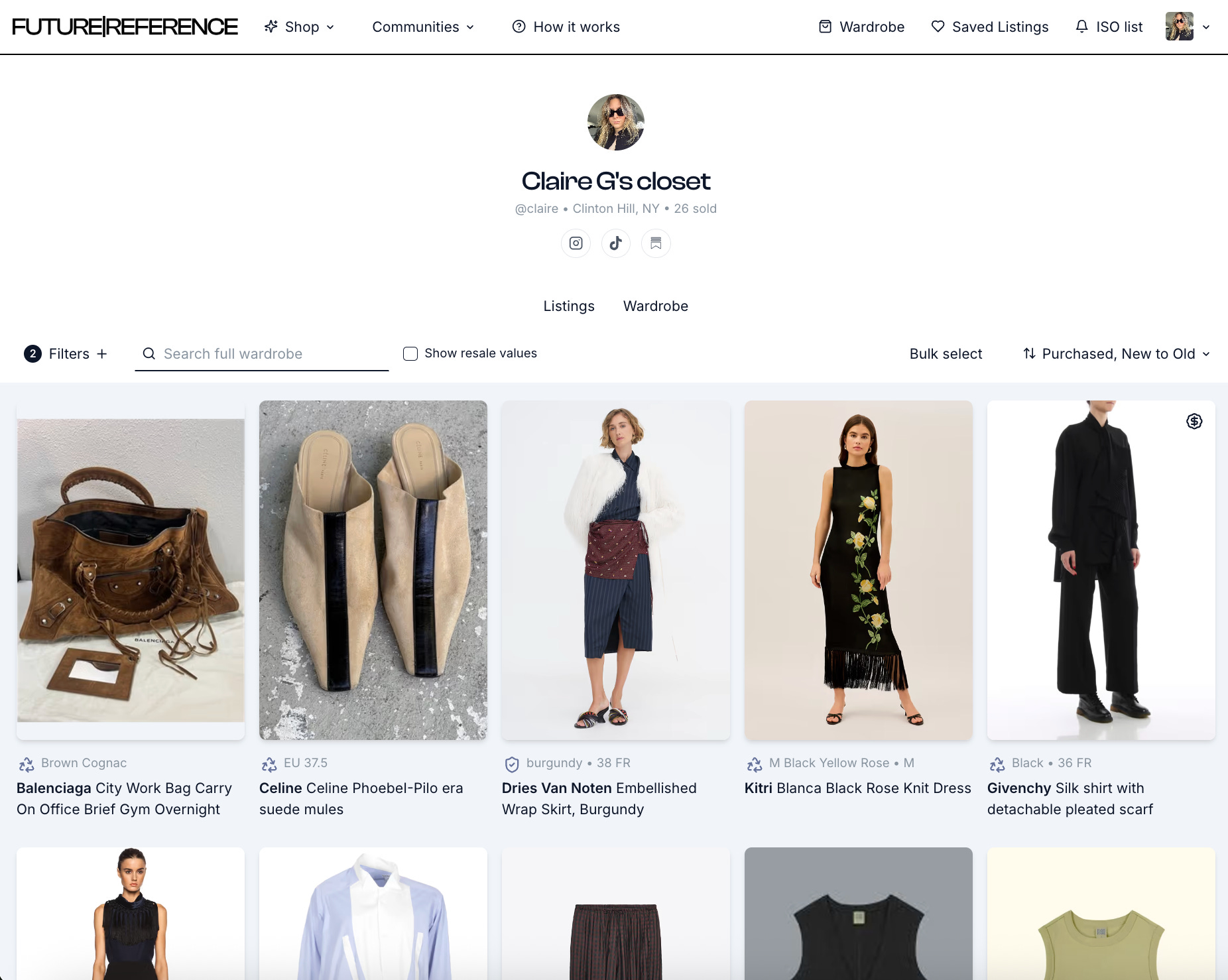
Here’s to a happier, ever-evolving closet in the new year!
xo - Claire
Thank you for your transparency and I love the secondhand growth! 100% agree with secondhand not being a compromise - I've found I love my secondhand pieces more than most of my new items. It was eye-opening to see my numbers on FR. Most of what I've bought new was non-apparel like legwear, but I still want to get that number down for 2026.
Ok, I am inspired! So many amazing finds, but my key takeaway is that I need to start parting with a few things.